
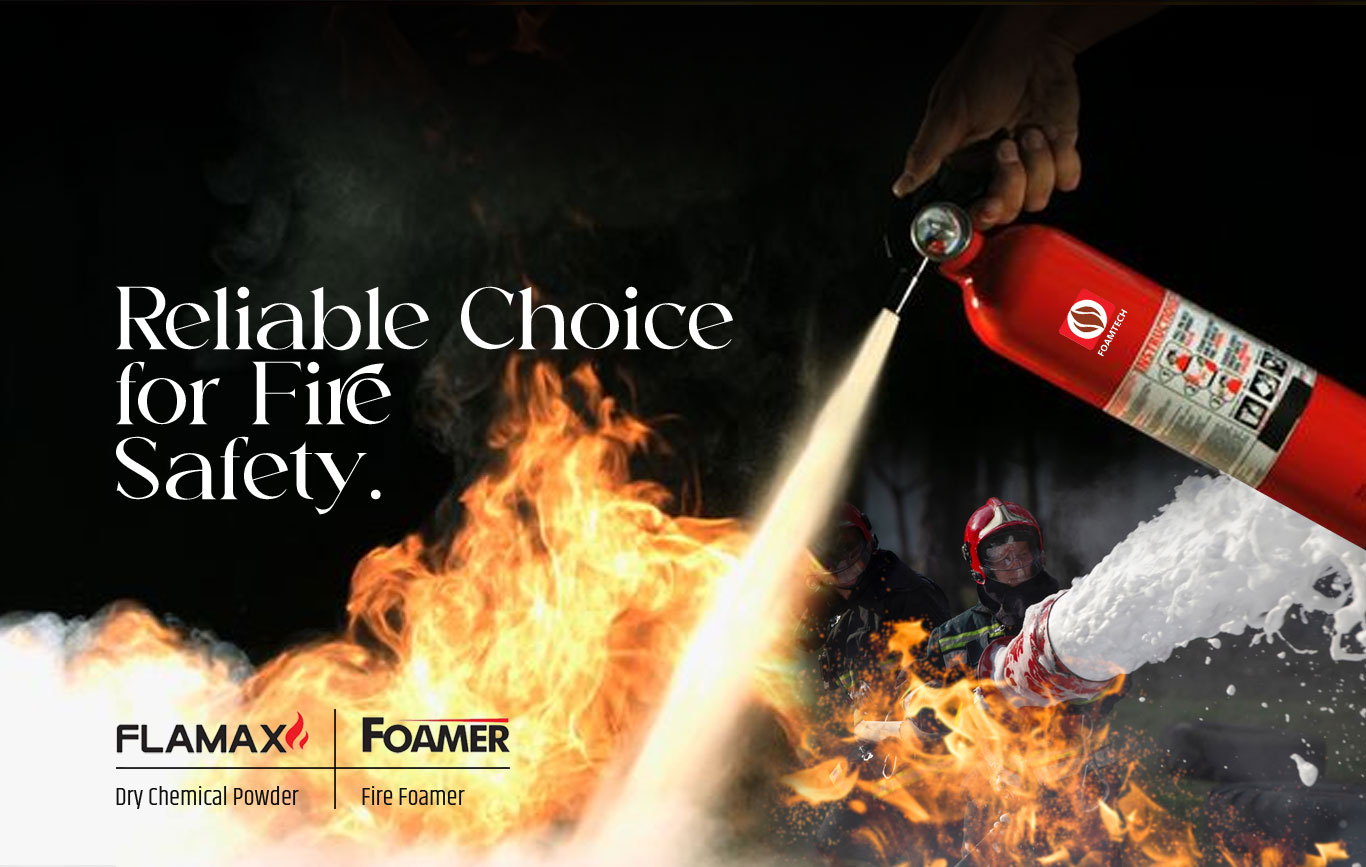
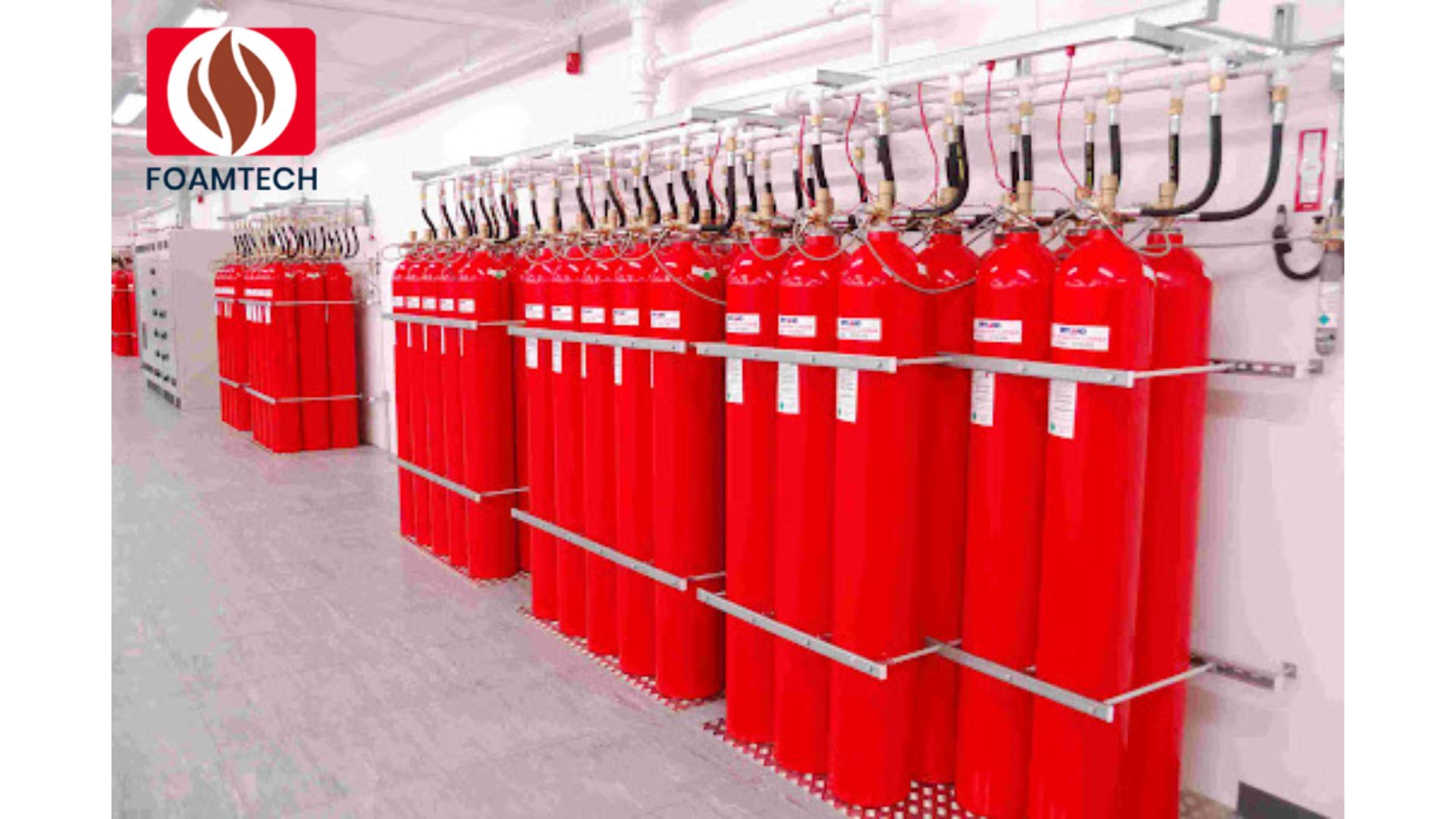
Fire suppression systems are the firefighting solutions that are highly effective in modern buildings. These were invented to overcome the limitations of manually operated firefighting systems, such as a fire extinguisher. Their automatic function is instrumental in evading heavy losses caused by fire. In its initial days, it was rarely used in a limited scope in the kitchen and small factories. The modern suppression systems are equipped with smoke detectors and sensors, making them a standard choice in public institutions and commercial spaces to curb the risk of fire.
Why Commercial Buildings Demand Unique Suppression Systems
In commercial buildings, there is much expensive and essential equipment that has unique demands when it comes to fire safety because of variations in fire classes. Not all fire suppression systems are applicable everywhere. For building owners, facility managers, and consultants, understanding the difference between various systems becomes crucial before installation.
Various Types of Fire Suppression Systems
A fire suppression system works by detecting the source before the fire triangle – fuel, oxygen and chemical reaction is complete. Early detection is common among all designs. However, the working mechanism and chemical agents differ. Let’s have a look at these differences:
Total Flooding System
This system is installed in an enclosed area. As soon as fire is detected, the system floods its extinguishing agent into that area to suppress the fire. Its major advantage is that it provides full room protection.
Inert Gas System
This system uses inert gases like argon and blended gases to reduce the oxygen supply and therefore interrupt a key part of the fire triangle. They do not leave residue and do not decompose, so they are low-maintenance and eco-friendly.
Ranger Pre-Engineered System
These are compact systems built for equipment-specific designs. Their work involves heat-sensitive detection tubing that automatically activates when exposed to high temperatures. They are commonly used for industrial machines, vehicle engine compartments and electrical cabinets.
Clean Agent Systems
Clean agents absorb heat or suppress combustion quickly and leave no residue. Their configurations are:
(i) Direct Low Pressure Clean Agent Unit: This system aims the clean agent directly at the source of fire through a detection tube. It is used in small cabinets.
(ii) Indirect Low Pressure Clean Agent Unit: This unit discharges clean agent uniformly through dedicated nozzles. Used in server racks and telecom rooms.
(iii) Indirect High Pressure Clean Agent Unit: This system uses high-pressure discharge to distribute clean agents rapidly across the protected enclosure in large areas.
Kitchen Fire Suppression System
This system uses wet chemicals that react with cooking oils to form a layer of foam and cool the fire to prevent re-ignition. These are used in restaurants and hotels.
Conclusion
Fire suppression systems vary in design and the agent used. Foam, wet chemical, clan agents, and inert gases are the various suppression agents used in the different types of these systems. The choice of type is dependent on the fire safety needs of the areas in commercial buildings. Foamtech Antifire Company provides all these types of suppression systems, following the guidelines associated with each unit.